AC Leak Water Damage in Boynton Beach, FL
In Boynton Beach, AC leak water damage usually starts when algae clogs the condensate drain line and the drip pan overflows into the air handler closet, the ceiling below or the floor. Systems here run nearly year-round and pull gallons of water out of humid air every day, so a brown stain under the AC closet is one of the most common leaks in Boynton homes. Switch the system off and call us 24/7.
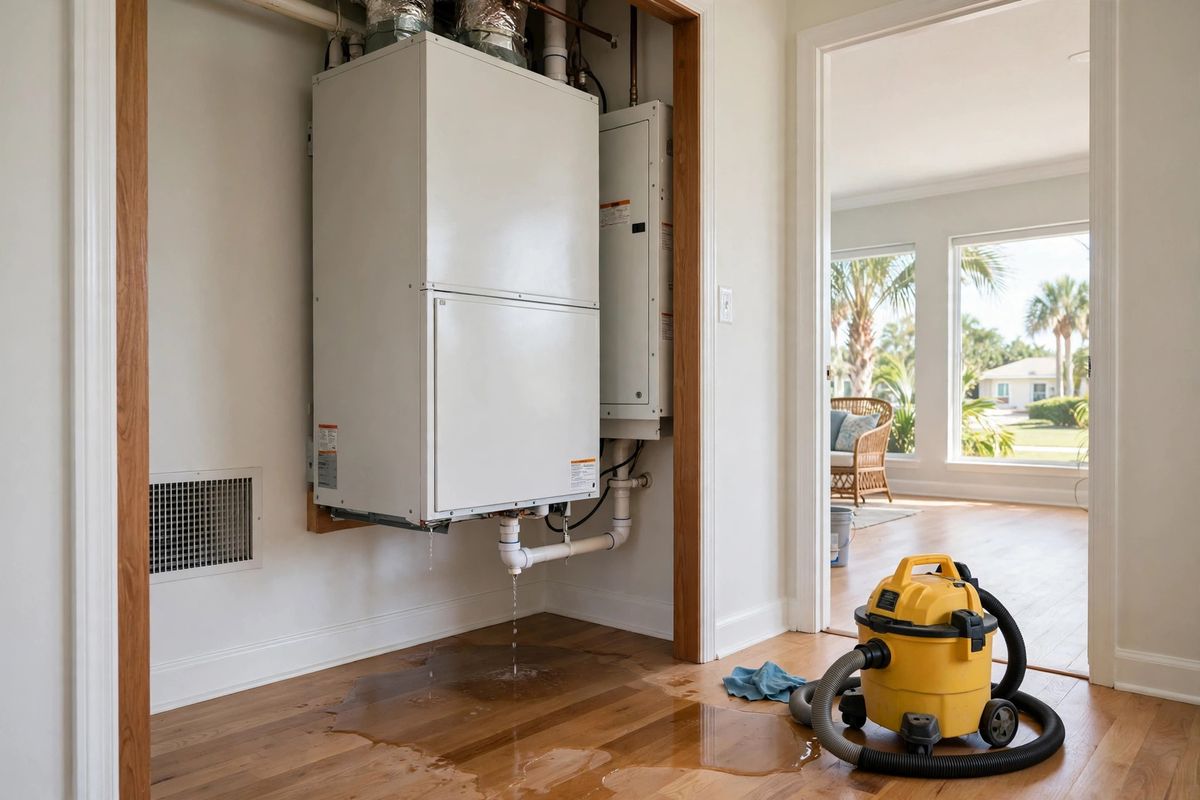
AC leaking water inside your Boynton Beach home? Do this now
Turn the AC off, catch the water, and keep it away from electricity. Then get the wet materials dried.
- Turn the system off at the thermostat. This stops it making more condensate water. If water is near the air handler's wiring, switch off its breaker from a dry spot.
- Catch the drip. Put a bucket under the leak and towels around the closet floor.
- Check the ceiling. If a stain is bulging or sagging, keep people and pets out from under it. Do not push on it.
- Photograph the damage and the air handler area before cleanup.
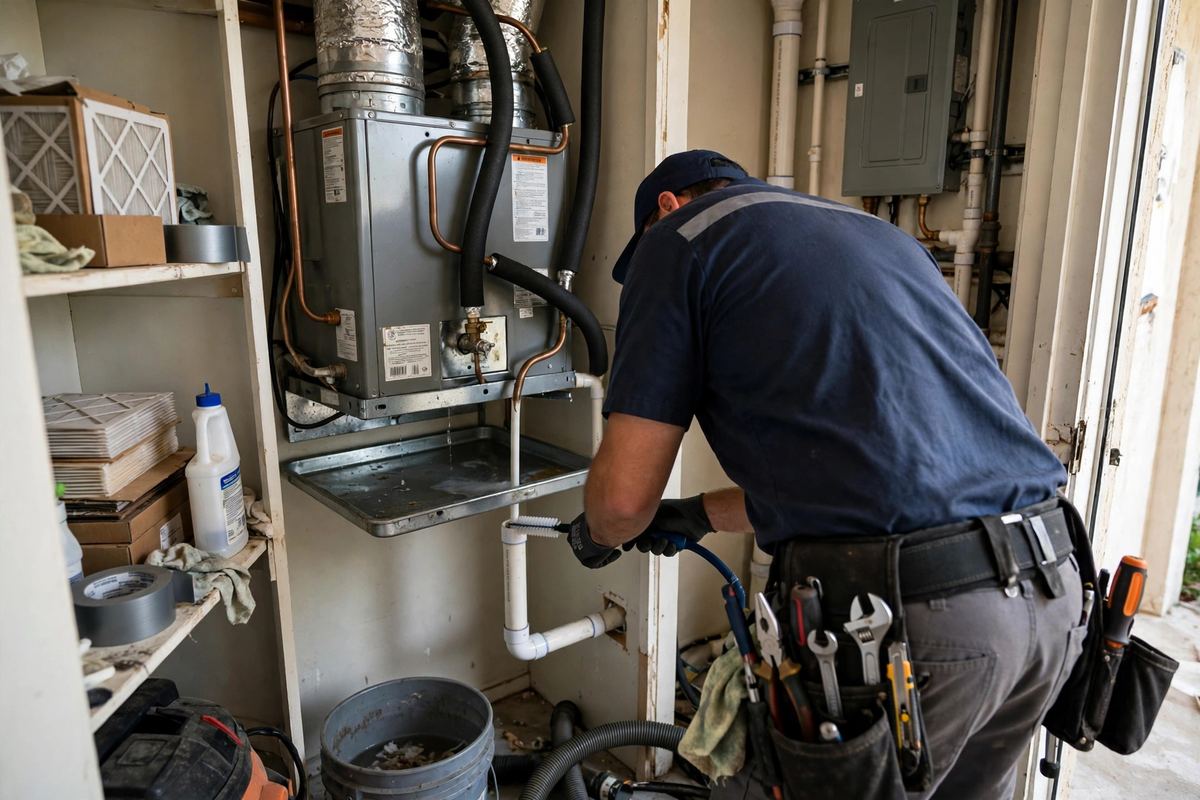
- Call an HVAC technician to clear the drain line and check the float switch, and get the wet ceiling, walls or floor dried the same day.
Why AC drain lines clog in South Florida
Your air handler, the indoor part of the AC, cools air by passing it over a cold coil. Moisture from the air condenses on that coil and drips into a pan.
- Drain line: a small pipe carries that water from the pan to the outside or to a drain.
- Drip pan: catches the water under the coil. A secondary pan often sits under air handlers installed above living space.
- Float switch: a safety switch that is supposed to shut the AC off when water backs up in the pan.
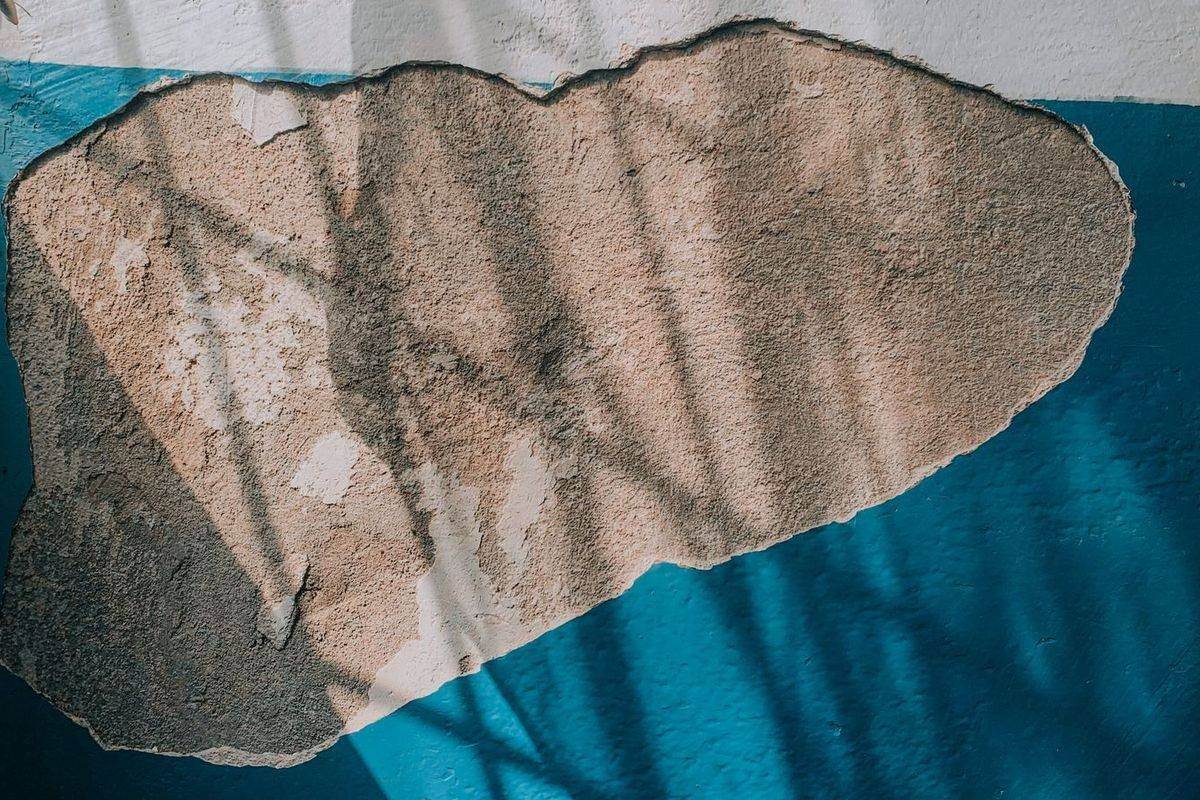
When algae and debris clog the drain line, water backs up into the pan. If the float switch is missing, stuck or failed, the pan overflows. In Boynton homes the air handler usually sits in an interior closet, a garage or the attic, so overflow lands on closet floors, hallway carpet or the ceiling below.
AC leak, roof leak or pipe leak? How to tell in a Boynton home
The location and timing of the water usually point to the source.
| Clue | Likely AC leak | Likely roof leak | Likely pipe leak |
|---|---|---|---|
| Where the stain is | Below or next to the air handler or a supply vent | Near exterior walls, roof penetrations or skylights | Below a bathroom, kitchen or plumbing wall |
| When it shows up | While the AC is running, often in hot, humid weeks | During or right after rain | Any time, often growing steadily |
| What stops it | Turning the AC off | Dry weather | Shutting off the water |
| Water around the AC closet | Yes | Rarely | Sometimes, if a water heater is nearby |
For stains that could be any of these, see ceiling water damage repair.
Signs of hidden AC water damage in Boynton homes and condos
An AC overflow can soak insulation and drywall for days before a stain shows. Watch for these signs around the air handler.
- A yellow or brown ring on the ceiling below the AC or near a supply vent
- Damp carpet or a musty smell in the hallway outside the AC closet
- Swelling or peeling paint on the closet door frame or baseboards
- Water dripping from a vent or the air handler cabinet
- The AC shutting off on its own, which can mean the float switch tripped because water is backing up
- Rust or water marks on the floor of the air handler closet
How AC water damage is dried in Boynton Beach
The AC and the water damage are separate jobs: an HVAC technician fixes the drain, and the wet materials have to be dried.
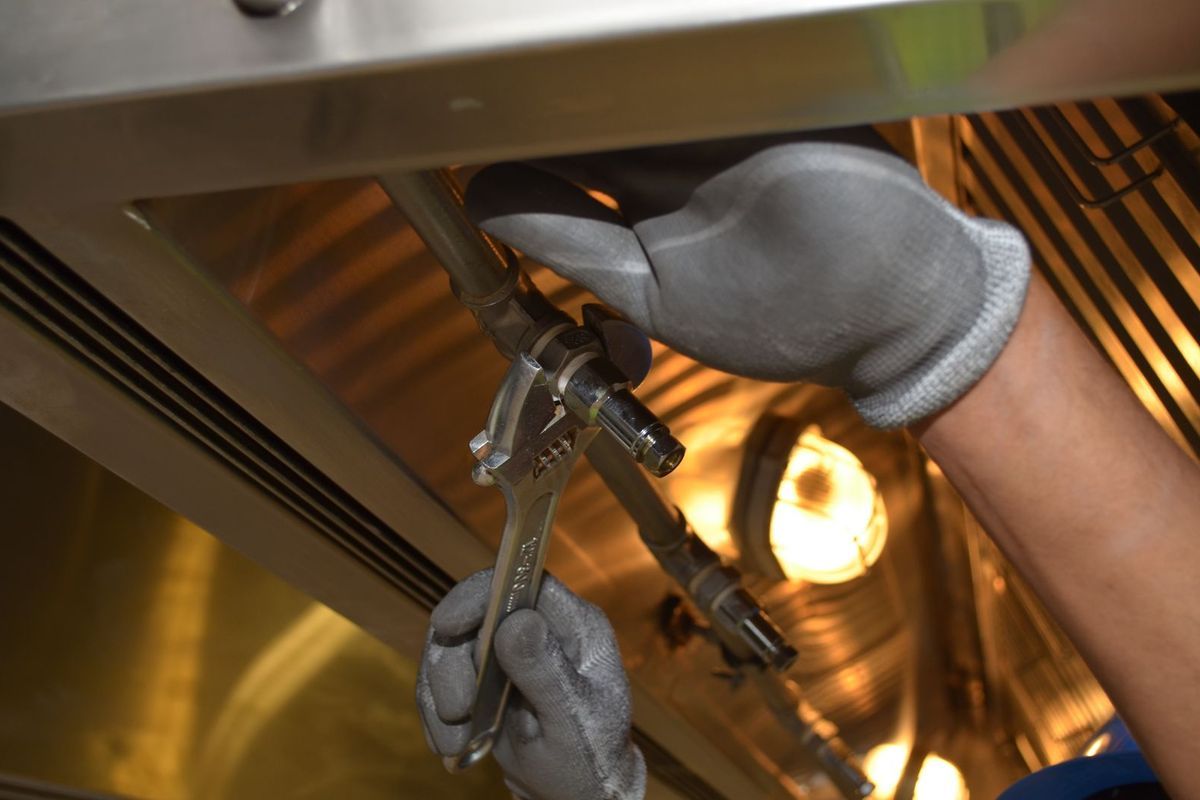
- HVAC repair. The drain line is cleared and the float switch and drip pan are checked or replaced.
- Moisture mapping. Moisture meters and a thermal camera show how far water spread in the ceiling, walls and floor.
- Remove what can't dry. Saturated attic insulation and sagging ceiling drywall are removed. A small opening in the ceiling is often enough to dry the cavity behind it.
- Structural drying. Dehumidifiers and air movers dry the framing, drywall and closet floor until readings confirm they are dry. See water mitigation and structural drying.
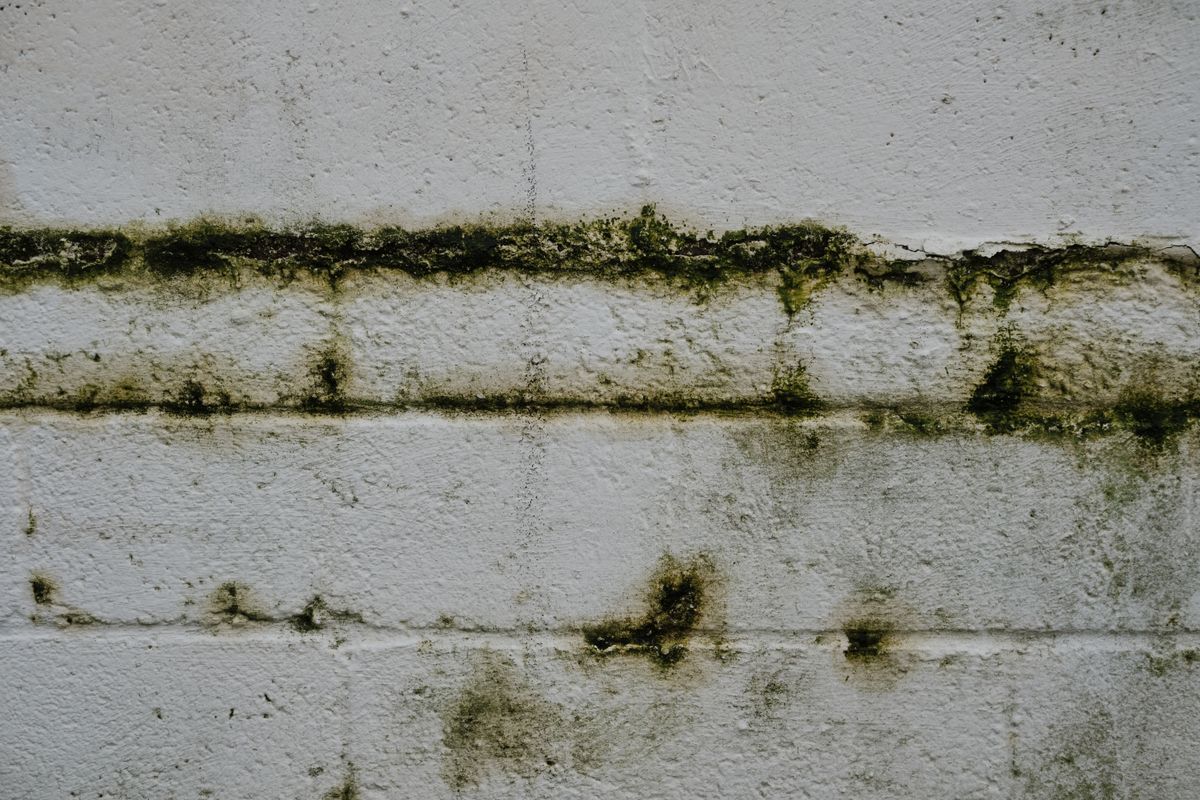
- Check for mold. AC overflow is often gray water that sat in a dark, warm space. Any musty growth is assessed before rebuilding.
- Rebuild. The ceiling is patched, textured and painted after it tests dry.
How much does AC leak water damage cost in Boynton Beach?
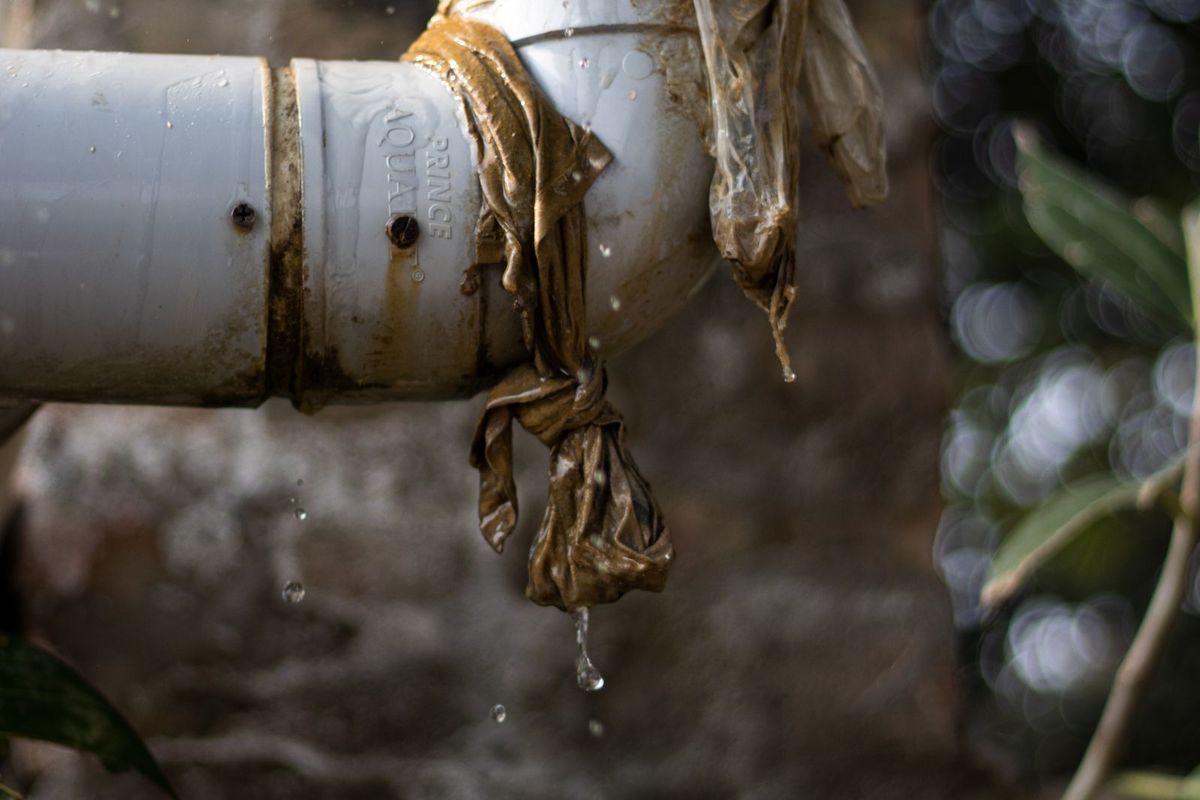
In Boynton Beach, most water damage restoration jobs fall between about $2,000 and $8,500. Local cost data puts appliance-related water damage, including AC, water heater and washing machine leaks, at an average of about $5,000 (Boynton Beach cost data). A small ceiling stain caught early costs far less than an overflow that soaked attic insulation and several rooms. The HVAC repair and ceiling rebuild are usually separate.
What moves the price: how long the pan overflowed, whether the water reached attic insulation, how much ceiling has to be opened, and whether mold is found. Your exact price depends on an inspection.
Does Florida insurance cover AC leak water damage?
Many Florida homeowners policies cover sudden water damage from an appliance or system that overflows, such as an AC drip pan. Damage from a slow, repeated leak that went on for weeks, or from skipped maintenance, is often excluded. The cost of repairing the AC itself is usually not covered. Report the loss quickly, because Florida requires new claims to be reported within one year of the date of loss. Your policy wording decides your coverage. See the Florida water damage insurance guide.
How to prevent AC leaks in a Florida home
Most AC overflows are preventable with simple routine care.
- Have the condensate line cleared during regular AC maintenance. Many homeowners also flush it a few times a year with a cup of white vinegar through the access port, if the manufacturer allows it.
- Test the float switch. Ask your HVAC technician to confirm it shuts the system off when water rises.
- Change the air filter on schedule. A clogged filter can cause the coil to ice up, and the melt can overflow the pan.
- Add a water leak sensor on the closet floor or in the secondary pan so you get an alert early.
- Before leaving for the season, have the drain line cleared. See vacant and snowbird home water damage.
AC leak FAQs for Boynton Beach homeowners
Should I turn off my AC if it is leaking water?
Yes. Turn it off at the thermostat to stop new condensate from forming, and switch off its breaker if water is near the unit's wiring. In summer heat, run fans and keep windows shaded while you wait for the HVAC repair, but don't run the AC until the drain is cleared.
Can an AC leak cause mold?
Yes. Water that overflows into insulation, drywall or carpet stays in warm, dark spaces where mold grows quickly. The EPA advises drying wet building materials within 24 to 48 hours to prevent mold. A musty smell near the AC closet after a leak is a sign the area needs checking.
Why is my AC leaking water inside the house?
The most common reason is a clogged condensate drain line, usually from algae. Other causes include a cracked or rusted drip pan, a failed float switch, a disconnected drain pipe, or a frozen coil from a dirty filter that overflows when it melts. An HVAC technician can confirm which one it is.
Is water dripping from the AC ceiling vent dangerous?
It is a warning sign. Dripping from a vent can mean condensation on ducts or an overflow above the ceiling. Wet ceiling drywall can sag and fall, and water near light fixtures is an electrical risk. Turn the AC off, keep clear of sagging spots, and get the source found.
How much water can an AC overflow put into a ceiling?
It depends on how humid it is, how long the system ran and how long before someone noticed. An air handler keeps producing water as long as it runs, so a missed overflow can soak insulation and drywall over a large area. That is why turning the AC off quickly matters.
Get AC water damage dried in Boynton Beach
An AC closet leak rarely stays in the closet: it runs under baseboards and into the ceiling of the room or unit below. Switch the system off, keep towels at the pan, and call us any hour to measure and dry it before mold starts inside the wall.
Boynton Beach, FL Map
Find water damage help across Boynton Beach, FL. Call (561) 264-1892 for fast help.
Get help with your water damage
Call now or send your details, and keep photos of everything.