Emergency Water Removal in Boynton Beach, FL
Emergency water removal in Boynton Beach means pumping and extracting standing water in the first hours, before it wicks into slab, drywall and baseboards. Call 24/7 when a supply line bursts in a west Boynton villa, a water heater floods a garage, or the condo above lets go at 2 a.m. Close the main valve first if you can reach it safely.
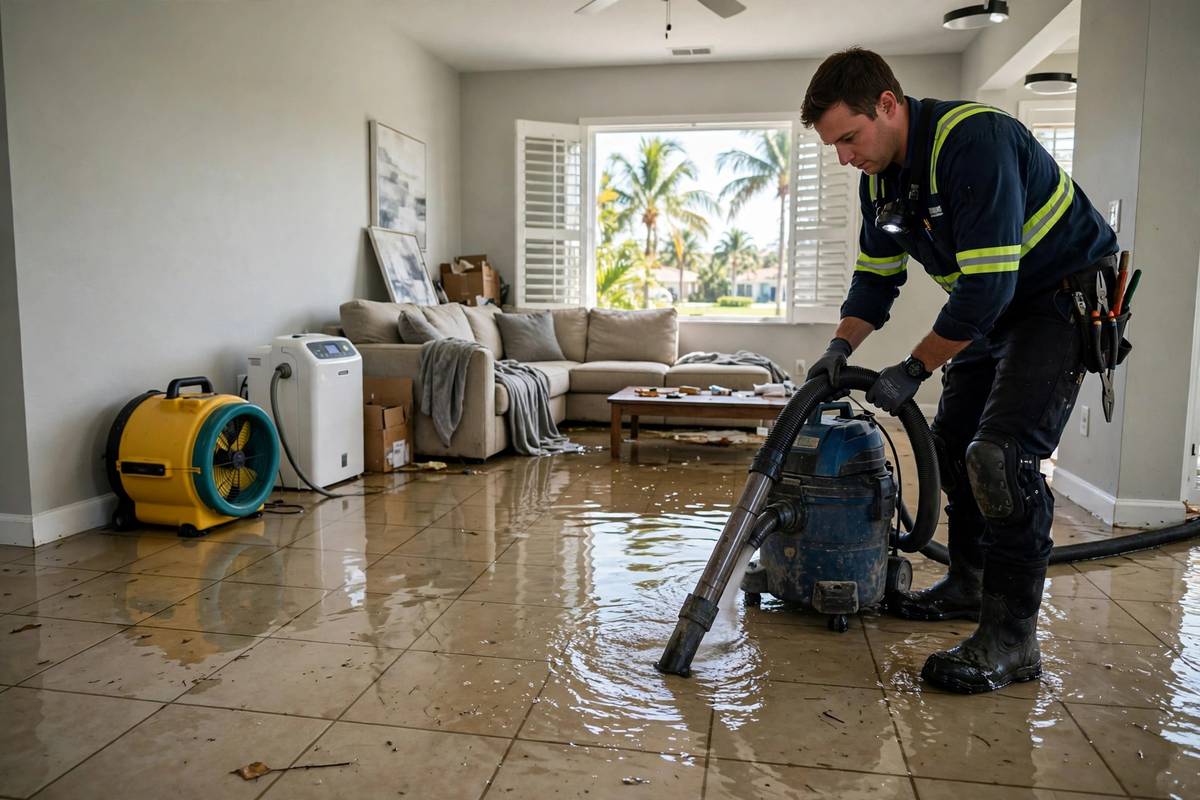
Standing water in your Boynton Beach home? Do this first
Stop the source, keep clear of electricity, and record the damage before you start mopping. Then lift what you can out of the water.
- Stop the water. Close the fixture's shut-off valve or the home's main valve. In a condo, the unit valve is usually in the utility closet or near the water heater. Full steps: water damage: what to do first.
- Keep away from wet outlets and cords. Do not step into standing water that touches outlets, power strips or appliances. Switch off those circuits at the breaker only if you can reach the panel from a dry spot.
- Photograph and video everything. Show the water line, the source and damaged belongings before anything is moved. Your insurer will want this.
- Lift belongings out of the water. Move electronics, rugs, papers and small furniture to a dry room. Put foil or plastic under the legs of furniture you can't move so stains don't transfer into wet carpet.
- Don't use a household vacuum. A regular vacuum is not built for water and is an electrical hazard. Towels are fine for small puddles on tile.
- Call for extraction. Call (561) 264-1892 and report the loss to your insurer.
Why speed matters more in Boynton Beach humidity
Most Boynton Beach homes are built on concrete slabs with tile, vinyl plank or carpet on top. Water on these floors does not stay where you see it.
- It runs under baseboards and into walls. Drywall wicks water upward from the bottom edge, so a puddle on the floor becomes wet drywall several inches up.
- It slips under flooring. Water seeps through grout lines and plank seams and spreads across the slab underneath, where you can't see it.
- It gets into cabinets. Kitchen and bathroom cabinet bases sit on the floor and swell when they soak.
- It raises mold risk. The EPA advises drying wet building materials within 24 to 48 hours to prevent mold, and South Florida's humidity slows natural drying.
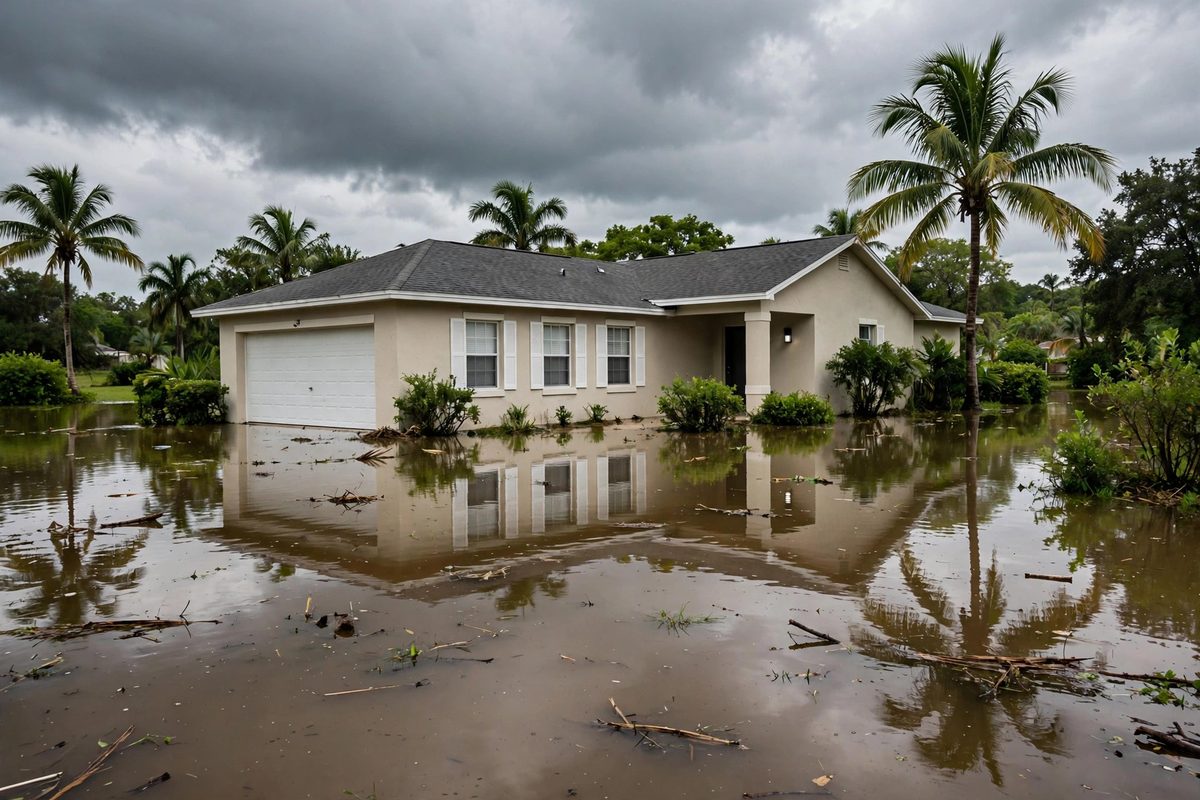
That is why emergency water removal is followed by measured drying, not just a quick mop-up.
How emergency water removal works in a Boynton home
Professional water removal has two jobs: get the liquid water out, then find every place it went. The steps below are the standard order.
- Find and stop the source. The leak is isolated. A plumber or HVAC technician may be needed for the actual repair.
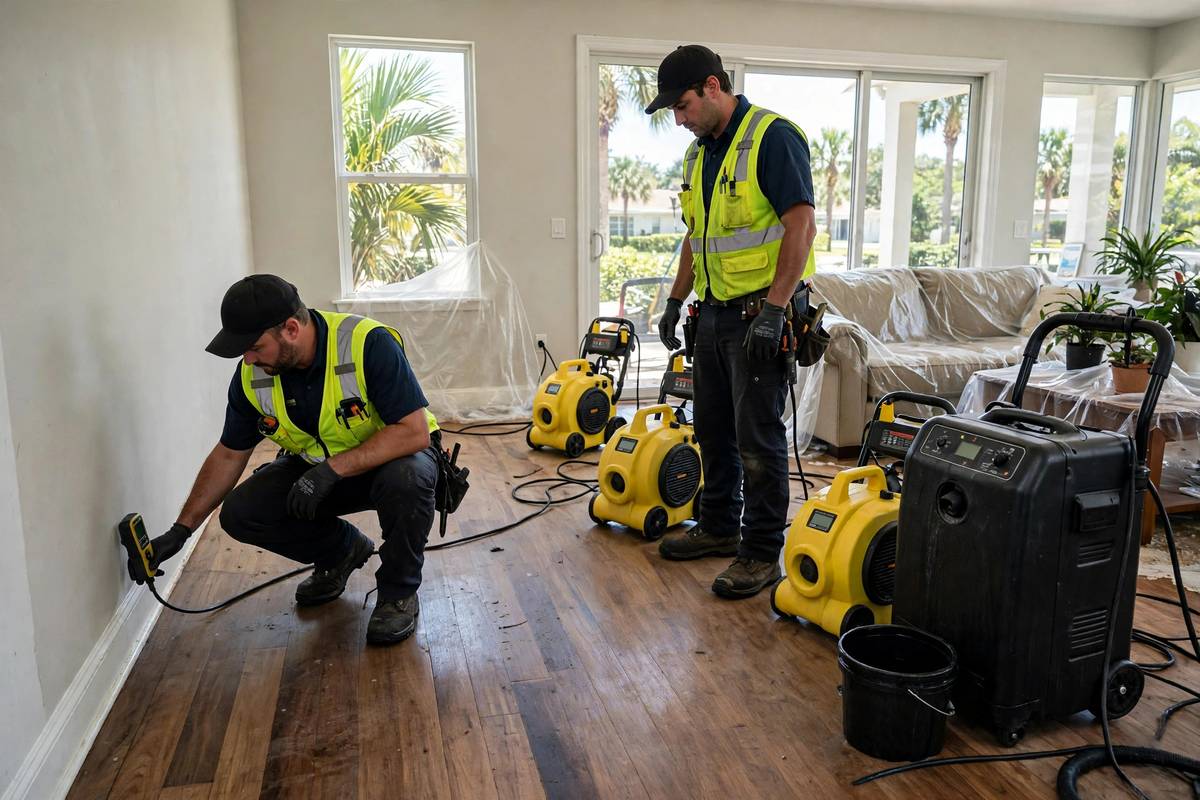
- Map the wet area. Moisture meters and, where useful, a thermal camera show how far water traveled under flooring and up the walls, often well past the visible puddle.
- Extract standing water. Powerful extraction equipment pulls water out of tile, carpet and pad. Removing liquid water is far faster than drying it later.
- Remove what can't be saved. Soaked carpet pad, swollen baseboards and wet drywall at the bottom of the wall may be cut out so the space behind can dry.
- Start structural drying. Dehumidifiers and air movers dry the slab, walls and cabinets. Read more about water mitigation and structural drying.
- Check until dry. Moisture readings are repeated until materials reach dry levels. Equipment comes out only then.
Shop vac or professional extraction: what a Boynton leak needs
A wet vac and towels are fine for a small spill of clean water on tile. Professional extraction is needed when water soaked into carpet, ran under flooring or walls, or came from a toilet, drain or outside.
| Method | Works for | Not enough when |
|---|---|---|
| Towels and mop | A small puddle of clean water on tile, caught right away | Water reached baseboards, carpet or the next room |
| Shop vac / wet vac | Surface water on hard floors in one small area | Carpet and pad are soaked, or water ran under vinyl plank or tile |
| Professional extraction + drying | Soaked carpet, water under flooring, wet walls, several rooms, any gray or black water | - |
If you can press a towel into the carpet and it comes up wet, the pad underneath is holding much more.
Is the water in your Boynton home clean or contaminated?
The industry standard (IICRC S500) sorts water into three categories, and the category decides what can be dried.
- Category 1, clean water: a burst supply line, ice maker line or water heater supply. Most materials can be dried if handled quickly.
- Category 2, gray water: an AC condensate overflow, washing machine or dishwasher. Many surfaces can be cleaned and dried; carpet pad is often replaced.
- Category 3, black water: sewage, a backed-up toilet or outside floodwater. Porous materials it touched are removed, and the area is sanitized. Keep children and pets away.
Clean water left sitting can turn into gray water, which is one more reason to act the same day.
What can be saved after water damage in a Boynton Beach home
What can be saved depends on the material, the water category and how long it stayed wet. These are the usual outcomes, not guarantees.
| Material | Usual outcome with clean water removed fast | Usual outcome with gray or black water, or a long delay |
|---|---|---|
| Carpet | Often dried in place | Usually replaced |
| Carpet pad | Often replaced (it acts like a sponge) | Replaced |
| Tile on slab | Surface dries; water under it is dried with equipment | Cleaned and sanitized; loose tiles may need resetting |
| Vinyl plank / laminate | Planks may need lifting so the slab underneath can dry | Often replaced |
| Baseboards | Sometimes saved; often removed to dry the wall behind | Usually replaced |
| Drywall | Can often be dried if wet only briefly | Bottom section cut out and replaced |
| Cabinet bases | Toe-kicks may be removed to dry underneath | Particleboard that swelled is usually replaced |
For flooring choices in detail, see wet carpet and flooring water damage.
How much does emergency water removal cost in Boynton Beach?
In Boynton Beach, most water damage restoration jobs, including water removal and drying, fall between about $2,000 and $8,500. Local cost data puts standing-water and flood cleanup at roughly $16 to $18 per square foot, so a 200-square-foot area often runs around $3,100 to $3,600 (Boynton Beach cost data). Sewage or outside floodwater losses commonly run $5,000 to $15,000 or more.
What moves your price:
- Square footage: one bathroom versus a kitchen, hallway and two bedrooms.
- Water category: sewage and floodwater cost more because materials must be removed.
- Flooring and finishes: carpet, vinyl plank and tile each need different handling.
- Time: water left for a day or more usually means more removal and longer drying.
- Rebuild: replacing drywall, baseboards or flooring is usually separate from extraction and drying.
Your exact price depends on an inspection.
Does Florida homeowners insurance cover emergency water removal?
Most Florida homeowners policies cover water removal when the water came from a sudden, accidental event inside the home, such as a burst pipe or a failed water heater. Slow, long-running leaks are often excluded, and outside floodwater falls under a separate flood policy. Florida requires new property claims to be reported within one year of the date of loss, so photograph the damage and call your insurer early. Details are in the Florida water damage insurance guide.
Water removal for Boynton condos, seasonal homes and king tide flooding
Upper-floor condos
In condo buildings, water does not stop at your floor. It can move through the ceiling into the unit below within hours. Removing it fast from an upper unit protects your neighbors and limits a bigger claim, so tell the association and the owner below as soon as you can.
Seasonal homes in west Boynton
In the Valencia, Indian Spring, Palm Isles and Aberdeen areas, many owners are away part of the year. Water found after a long absence has usually spread under flooring and into walls, so extraction is only the first step.
Outside water on the east side
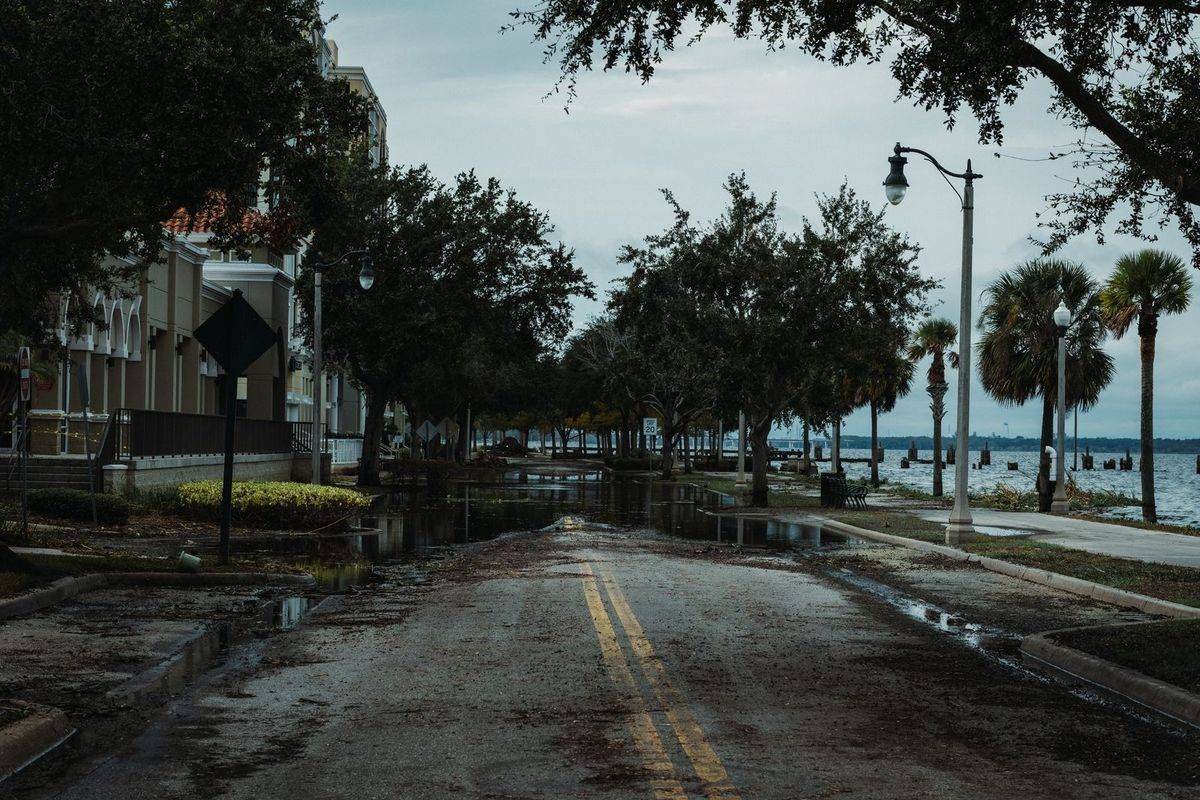
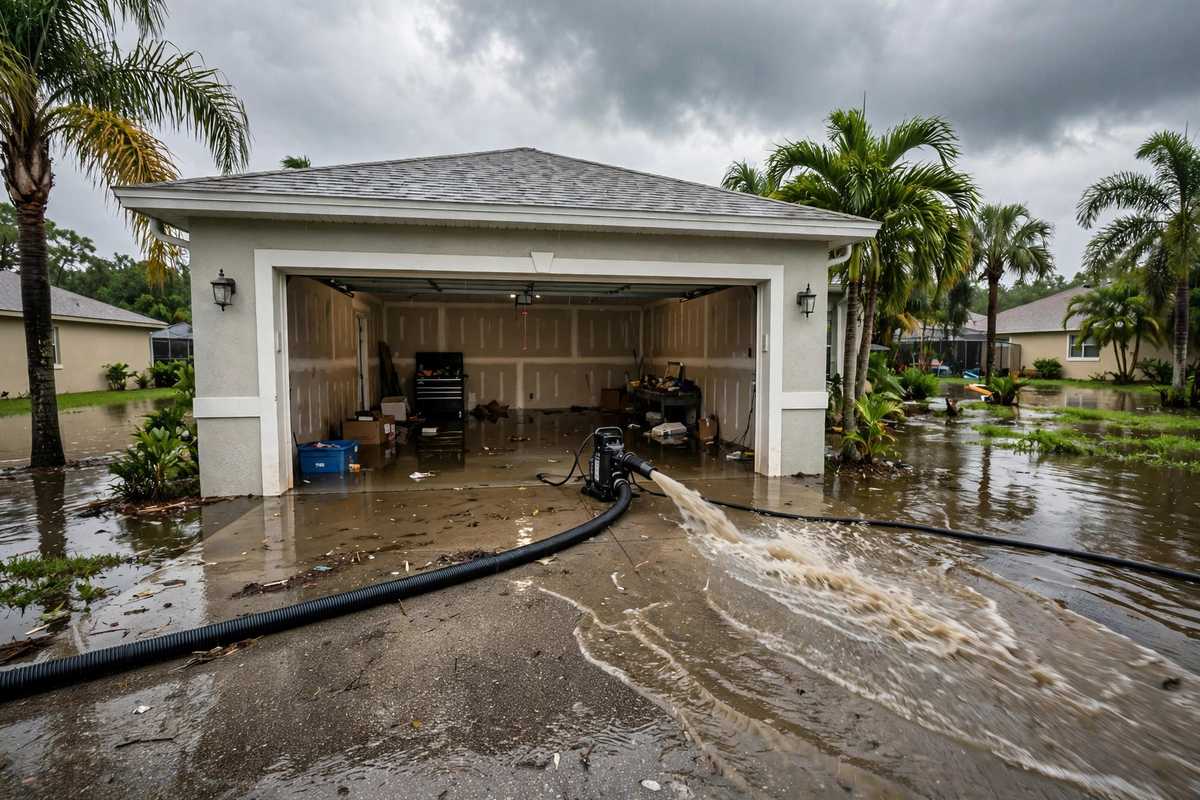
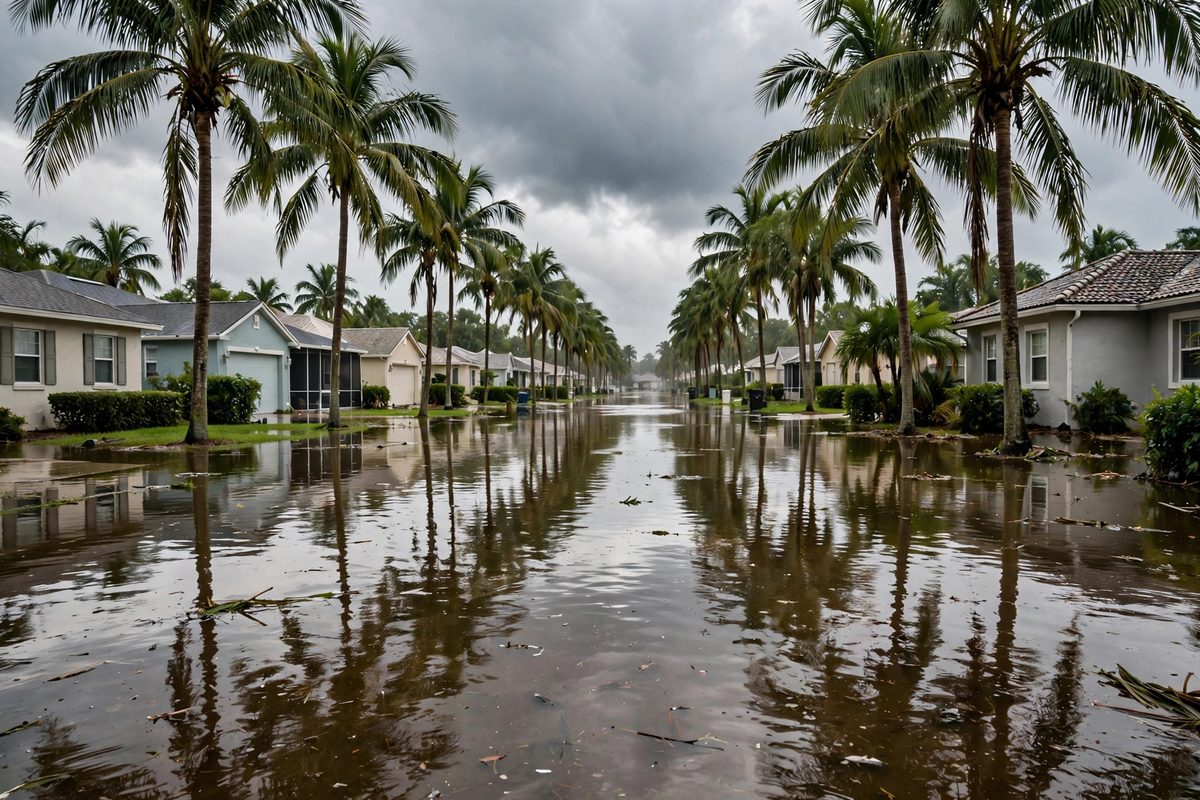
King tides and heavy rain can push water into garages and ground floors near the Intracoastal. That water is treated as Category 3. See flood and king tide cleanup.
Emergency water removal FAQs for Boynton Beach
Is a shop vac enough to remove water from my house?
A shop vac is fine for a small amount of clean water on tile, removed right away. It is not enough when carpet and pad are soaked, water ran under vinyl plank or tile, or water reached the walls. In those cases most of the water is hidden, and it needs professional extraction plus measured drying.
How do I get water out of carpet fast?
Stop the source, then lift furniture off the wet area and pull up the carpet corner if you can to check the pad. Blot small areas with towels. For a soaked room, the pad is holding most of the water, so professional extraction is the fastest way to stop it spreading into the slab and baseboards.
Is it safe to stay in the house with standing water?
Usually yes, if the water is clean and stays away from electricity. Stay out of rooms where water touches outlets, cords or appliances. Leave the area if the water came from sewage or outside flooding, or if you smell a strong sewage odor, and keep children and pets away.
Should I turn off the power?
Turn off power to the affected rooms at the breaker if you can reach the panel without standing in water. If the panel itself is in a wet area, or water has reached outlets, stay out and call your power company or a licensed electrician before anyone enters.
How long does water extraction take?
Extracting standing water from a few rooms usually takes hours, not days. Drying is what takes longer: often several days in South Florida's humidity. Drying should end only when moisture readings show the slab, walls and cabinets are dry, not when the floor simply feels dry.
Should I call my insurance company before calling for water removal?
You can do both the same day. Stop the water and take photos first, then report the loss to your insurer and get extraction started. Waiting for approval while water sits usually makes the damage, and the claim, bigger. Keep receipts and photos of everything.
Get standing water out of your Boynton Beach home now
Water on a Boynton slab floor doesn't stay on top: it moves under baseboards, into drywall and up cabinet bases every hour it sits. Keep clear of wet outlets, close the main, and call us 24/7 from any Boynton ZIP code to get extraction started.
Boynton Beach, FL Map
Find water damage help across Boynton Beach, FL. Call (561) 264-1892 for fast help.
Get help with your water damage
Call now or send your details, and keep photos of everything.