Condo Water Damage in Boynton Beach, FL
In a Boynton Beach condo, the leak damaging your unit often starts in someone else's: the unit above, the one next door, or a pipe the building shares, and Florida Statute 718.111 helps decide who covers what. From Intracoastal high-rises to the low-rise buildings around Leisureville and Hunters Run, one overflow can reach several units. Notify the association in writing, take photos, and call us 24/7.
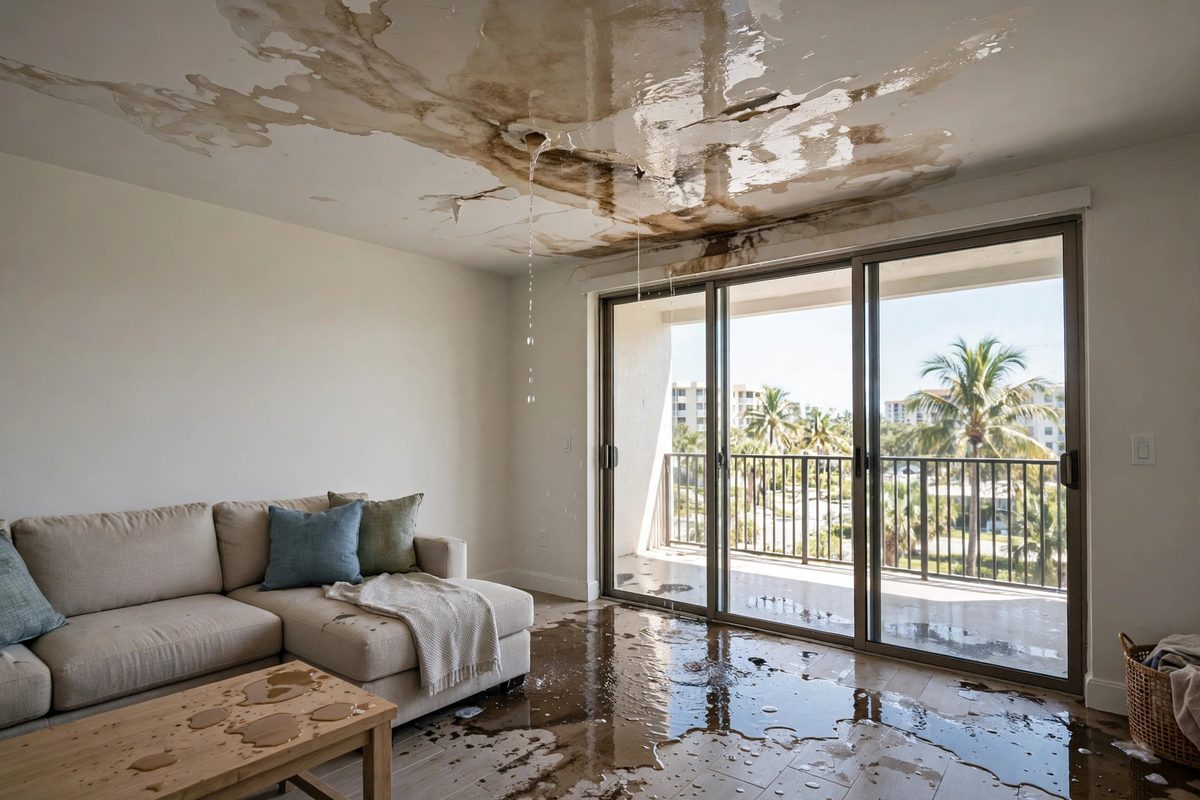
Water coming from the condo above? What to do in Boynton Beach
Stop the water, tell the right people in writing, and document both units before anything is cleaned.
- Find the source. Knock on the upstairs door. If no one answers, call the association or property manager; they may be able to enter to stop the leak.
- Shut off your own water if the leak could be in your unit. The unit valve is usually in the utility closet or near the water heater.
- Turn off power to any ceiling light or fan that is dripping, from the breaker.
- Notify the association in writing. An email or text with the date, time and photos creates a record.
- Photograph and video your unit and, if you are allowed, the source in the unit above.
- Call your insurer (your HO-6 condo policy) and get the water removed and drying started.
Who is responsible for condo water damage in Florida?
Responsibility depends on where the leak started, what was damaged, whether someone was negligent, and your condominium documents. Florida Statute 718.111(11) sets the basic insurance split between the association and unit owners.
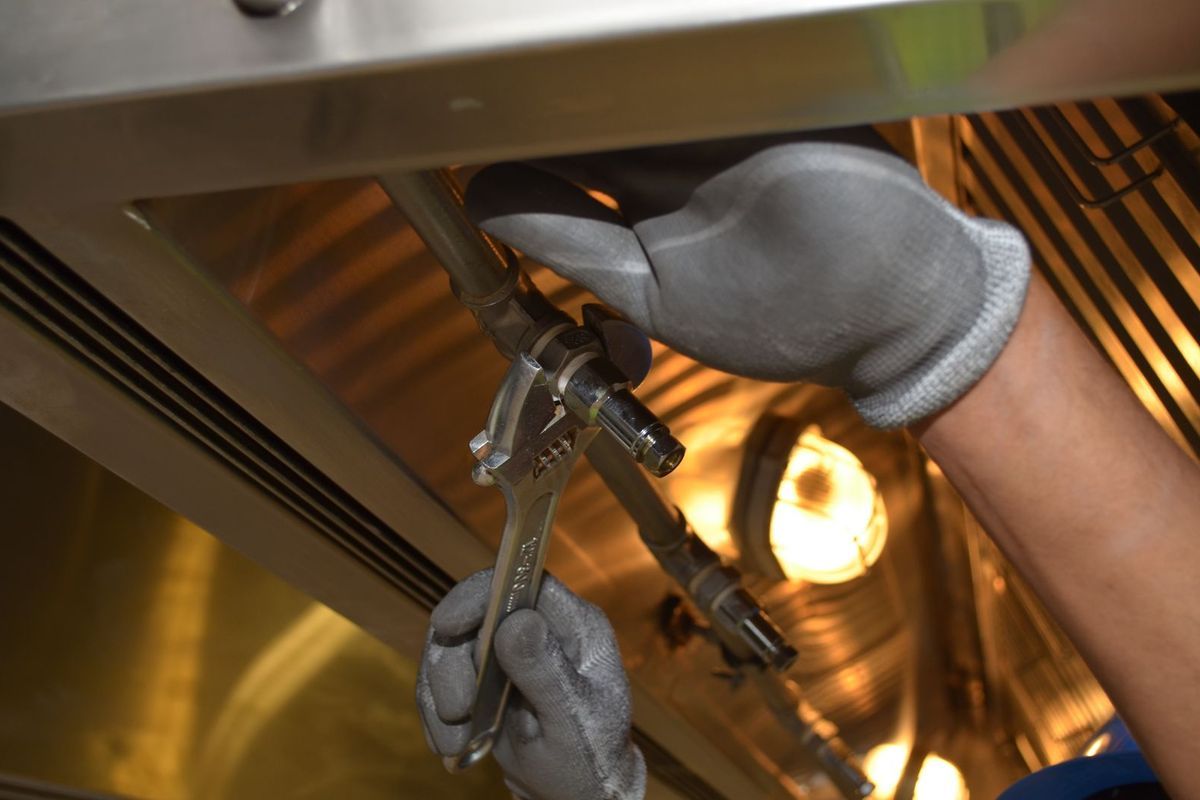
| Who | Generally responsible for | Typical insurance |
|---|---|---|
| Condominium association | The building as originally installed: structure, common elements and the parts of units the statute assigns to the association | The association's master policy |
| Unit owner | Personal property and interior items such as floor coverings, wall and ceiling coverings, appliances, water heaters, cabinets and countertops, plus any upgrades | The owner's HO-6 condo policy |
| Upstairs (or neighboring) owner | Can be responsible for damage their negligence caused, such as ignoring a known leak | Their HO-6 liability coverage |
This is a general summary. Your declaration of condominium and your policies control the details, and disputes are common. For complex claims, a Florida attorney or public adjuster can review your situation.
Unit owner, association or upstairs neighbor: common Boynton condo scenarios
| What happened | Who usually starts the fix | Whose policy usually responds first |
|---|---|---|
| Upstairs toilet or washing machine overflowed | Upstairs owner stops it; association may help with access | Each owner's HO-6 for their own interior items; upstairs owner may be liable if negligent |
| Shared drain stack or main line inside the walls failed | Association arranges the pipe repair | Often the association's master policy for building parts |
| Your own water heater or supply line failed | You | Your HO-6 policy |
| Roof or exterior wall leak in a storm | Association | Association's master policy for the building |
These patterns are common but not universal; condo documents vary. See the Florida water damage insurance guide for claim deadlines and documentation.
What to document after a Boynton condo leak
Good records make condo claims faster and help settle who pays. Gather these the same day.
- Photos and video of every wet ceiling, wall, floor and damaged item in your unit, with the date
- The source, if you can see it or the association shares it: a photo of the overflowing fixture, broken hose or failed pipe
- Written notice you sent to the association and the upstairs owner, and any replies
- Names and unit numbers of everyone affected
- Moisture readings and the drying log from the water damage work
- Receipts for emergency work, hotel stays or anything you had to buy
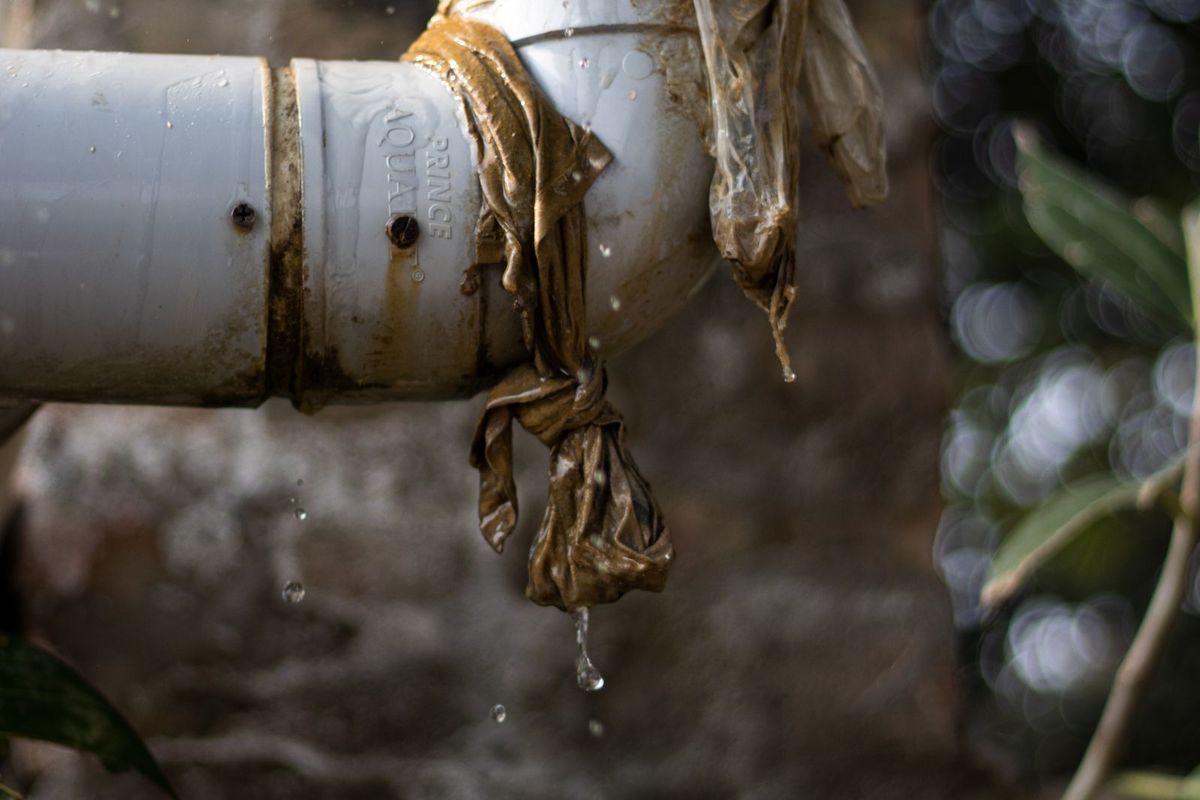
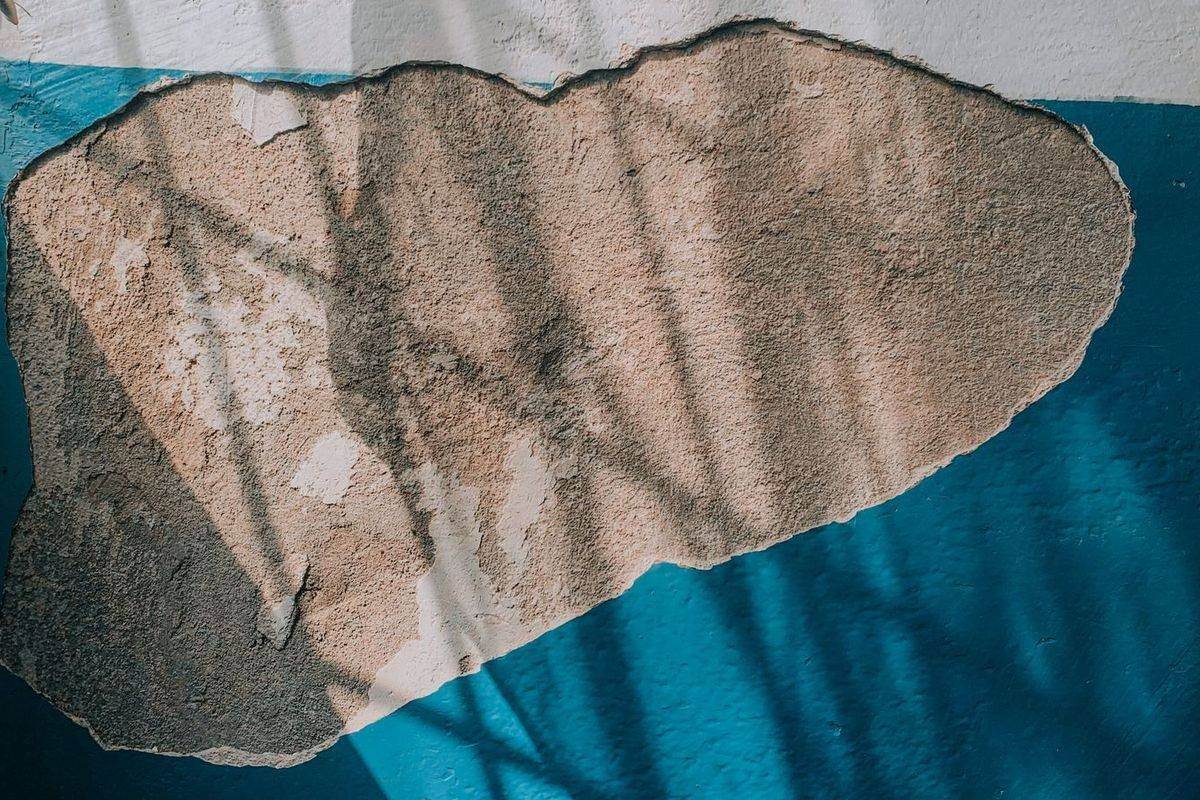
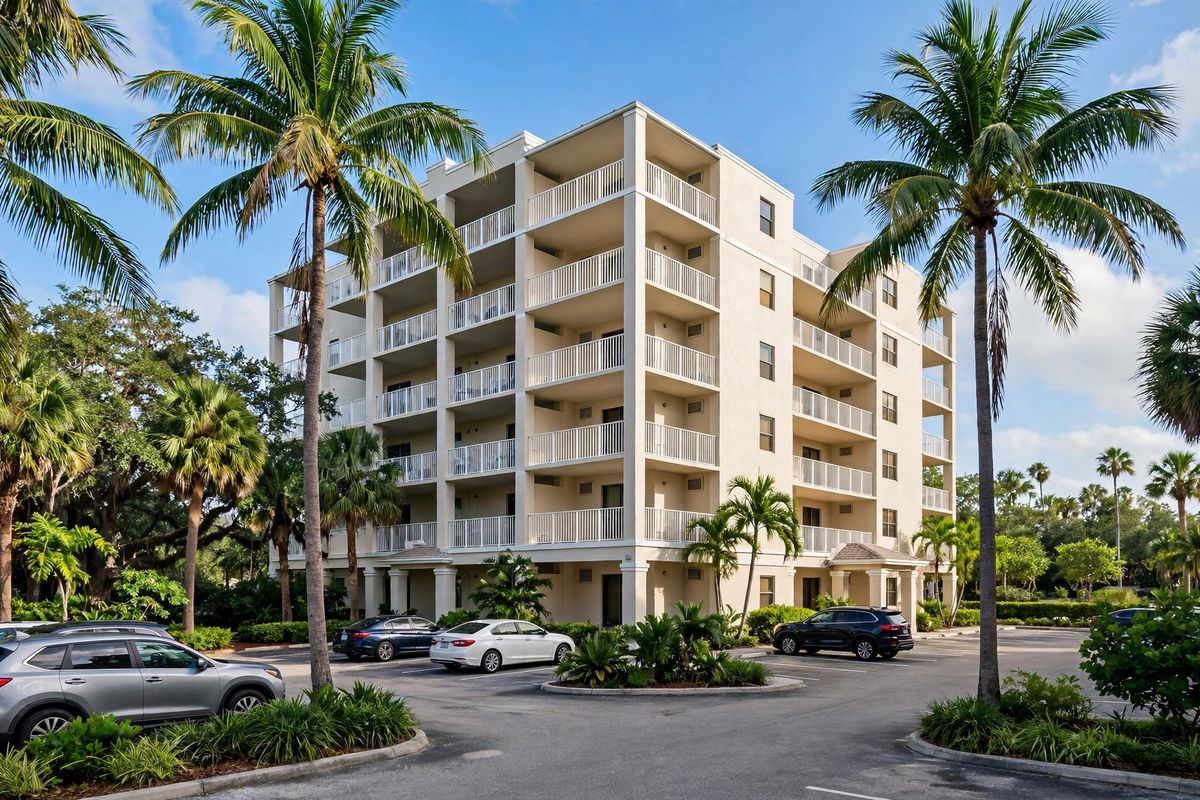
How water spreads through a Boynton Beach condo building
Water in a condo building moves in two directions, which is why several units are often affected by one leak.
- Down: through the floor and ceiling between units, especially around plumbing penetrations, light fixtures and AC chases. A leak two floors up can show in your ceiling.
- Sideways: under the bottom of shared walls and along the slab, especially where bathrooms or kitchens sit back to back.
Because water hides inside walls and ceilings, every unit along the path should be checked with moisture meters, not just the one with a visible stain. See ceiling water damage repair.
How condo water damage is dried in Boynton Beach
- Stop the source in whichever unit or common area it started.
- Map the moisture in every affected unit and in shared walls and ceilings.
- Extract standing water from floors and cabinets.
- Open ceilings or walls where needed so wet cavities can dry, and remove wet insulation.
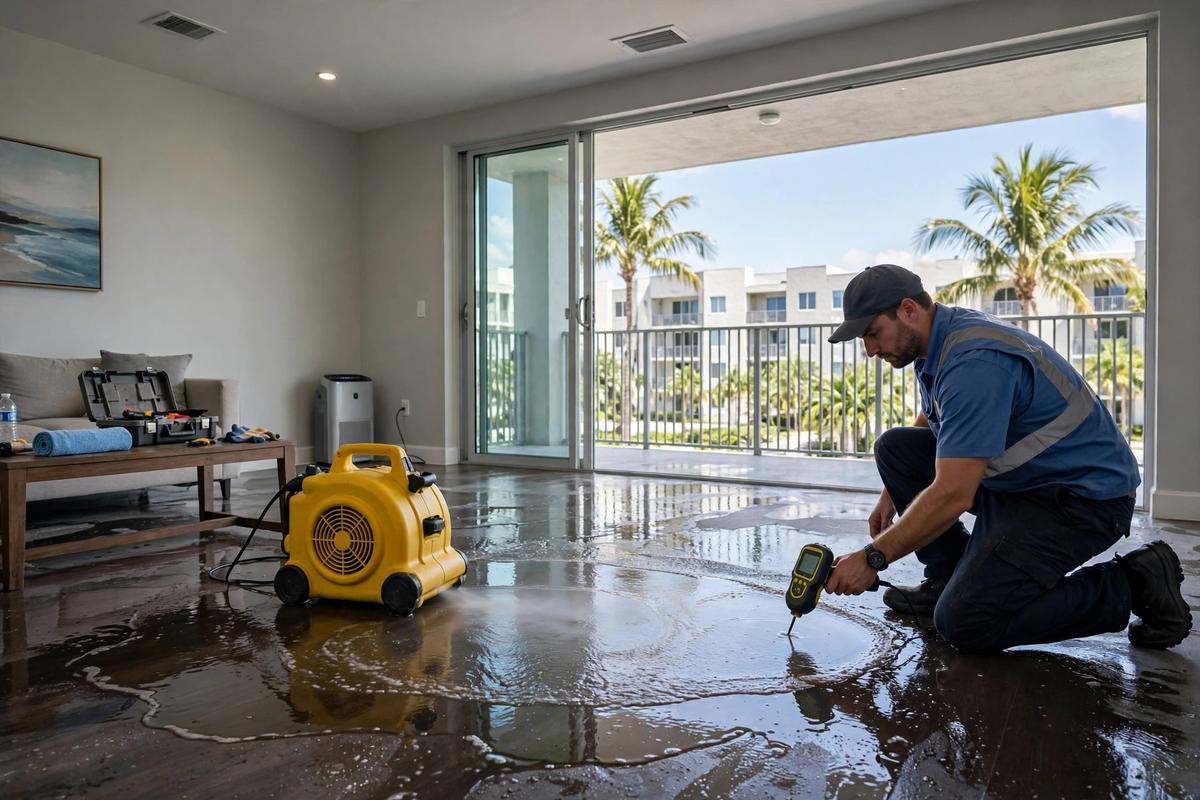
- Dry with dehumidifiers and air movers until readings confirm every unit is dry. See water mitigation and structural drying.
- Document each unit separately so the association and each owner's insurer can see their own part.
- Rebuild after drying, with the association and owners agreeing on who repairs what.
For buildings, associations and property managers handling several units, see commercial and HOA water damage.
How much does condo water damage cost in Boynton Beach?
In Boynton Beach, most water damage restoration jobs fall between about $2,000 and $8,500 per affected home, before rebuilding (Boynton Beach cost data). Condo losses vary widely because one leak can reach a single unit or several, and dirty water such as a sewage backup from a shared stack often runs $5,000 to $15,000 or more. Who pays each part depends on the responsibility split above. Your exact price depends on an inspection.
Boynton Beach condo water damage FAQs
Who pays when the condo above leaks into mine?
It depends on where the leak started, what was damaged and whether anyone was negligent. Under Florida Statute 718.111(11), the association generally insures the building as originally installed, while unit owners cover interior items like flooring and cabinets through HO-6 policies. A negligent upstairs owner can be responsible for damage below.
Should I call the HOA or my insurance first?
Do both the same day. Notify the association first if the leak is coming from another unit or a common pipe, because they may need to stop it. Then report the loss to your HO-6 insurer. Florida requires new claims to be reported within one year of the date of loss.
Does my HO-6 policy cover water damage from the unit above?
Many HO-6 policies cover your interior items and belongings when water from another unit damages them, often subject to your deductible. Your insurer may then seek repayment from the responsible party. Coverage varies by policy, so read your declarations page and ask your agent.
What if the upstairs owner isn't home?
Call the association or property manager right away. Florida law gives condominium associations a right of access to units when necessary to prevent damage to the common elements or to another unit. Keep a written record of when you reported it.
What if the association won't fix the leak?
Put your request in writing, include photos and dates, and keep copies of every reply. Ask the association which part of the building it believes the leak came from. If the dispute continues, a Florida condominium attorney or public adjuster can review your documents and options.
My condo flooded while I was away for the season. What now?
Ask the association or a trusted neighbor to shut off your unit valve and take photos. Report the loss to your HO-6 insurer and the association, and arrange water removal and drying as soon as possible. Long-running leaks can raise coverage questions, so document the date you were notified.
Get your Boynton Beach condo unit dried and documented
In a condo, the clock runs for your unit and the ones around it. Put the leak in writing to the association, photograph every wet room before anything is moved, and call us 24/7 so drying starts while the facts are still fresh.
Boynton Beach, FL Map
Find water damage help across Boynton Beach, FL. Call (561) 264-1892 for fast help.
Get help with your water damage
Call now or send your details, and keep photos of everything.