Mold After Water Damage in Boynton Beach, FL
Mold after a leak in Boynton Beach usually starts on wet drywall, baseboards, carpet pad or cabinet bases that stayed damp past 24 to 48 hours, and South Florida humidity keeps that clock running. A musty AC closet or a stain that keeps darkening is often the first sign. Florida requires a licensed mold professional for jobs over 10 square feet. Fix the moisture first: call us 24/7.
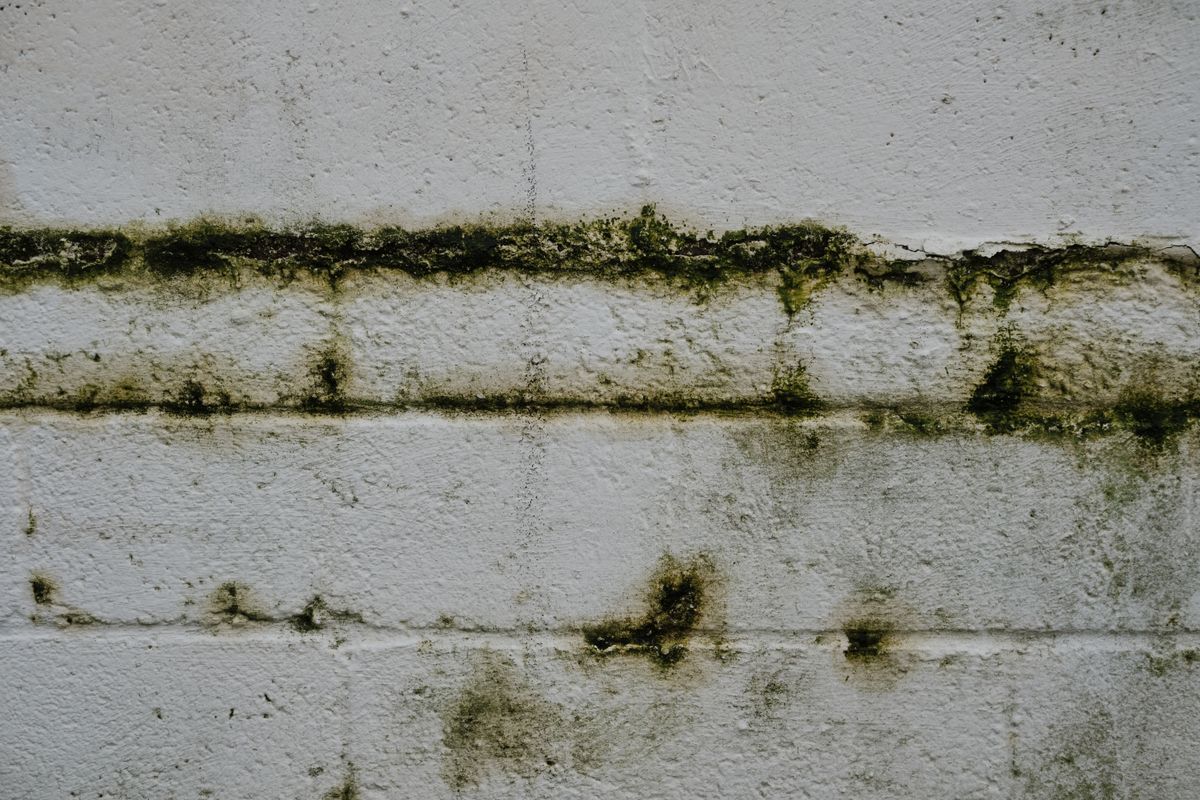
Think you have mold after a leak in Boynton Beach? Do this first
- Find and stop the water source. Mold keeps coming back while materials stay wet.
- Don't scrub, sand or dry-brush large patches. Disturbing mold releases spores into the air.
- Don't run fans across moldy areas; they spread spores to other rooms.
- Keep sensitive people away, including anyone with asthma, allergies or a weak immune system.
- Photograph the growth and the water damage for your records and insurer.
- Get the area assessed and the moisture source dried.
How fast does mold grow after a leak in South Florida?
Mold can begin growing on wet organic materials, like drywall paper, wood and carpet backing, within 24 to 48 hours. In Boynton Beach, warm temperatures and high humidity keep materials damp longer, so growth can spread quickly behind walls, under flooring and inside cabinets where you can't see it. The faster water is extracted and the structure dried, the lower the risk. See water mitigation and structural drying.
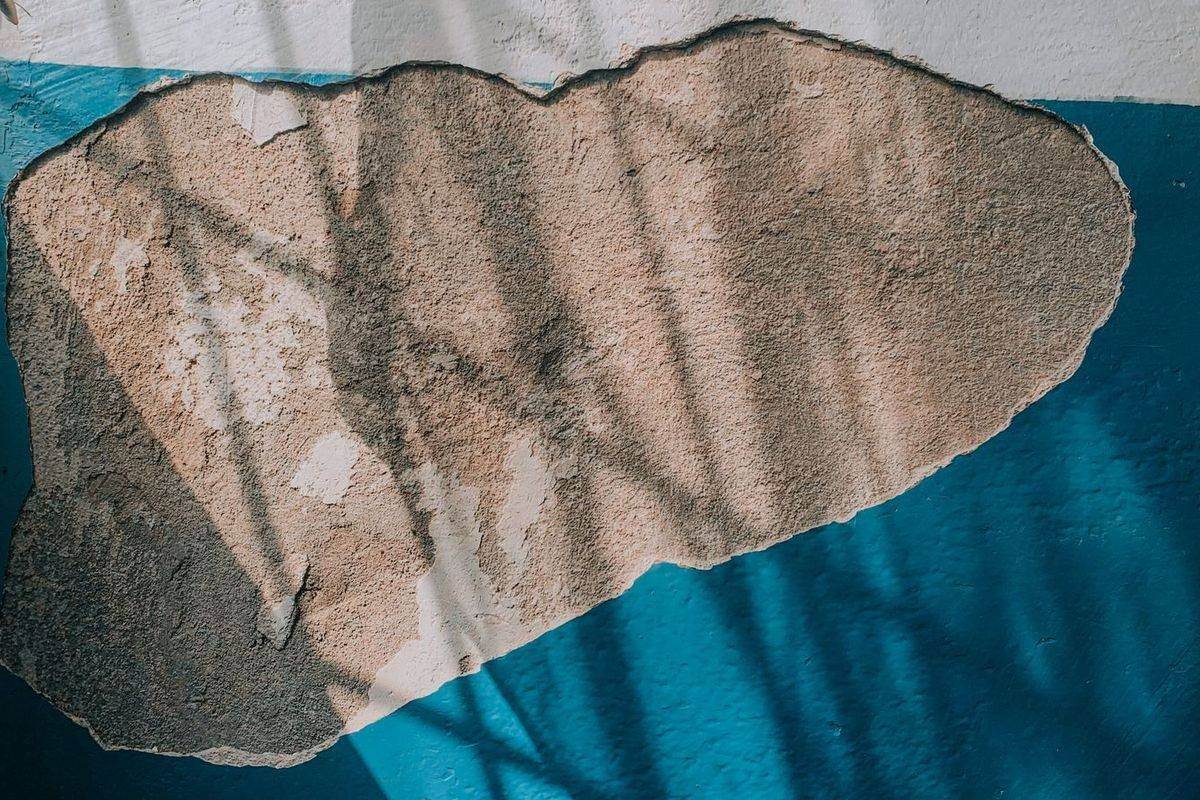
Signs of hidden mold in Boynton homes after water damage
- A musty, earthy smell, especially in closets, bathrooms or near the AC
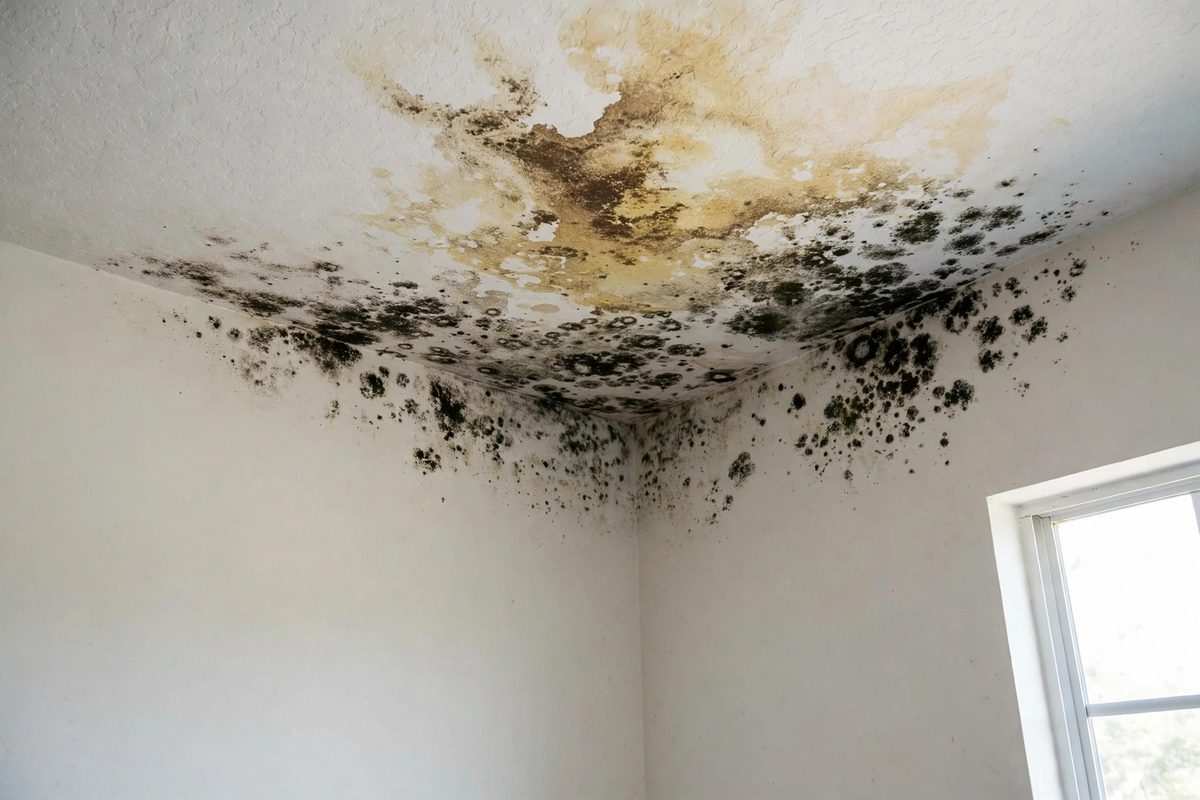
- Dark spots or fuzzy growth on drywall, baseboards or ceilings
- Paint that bubbles, peels or stays discolored after a leak
- Warped or swollen baseboards and cabinet bottoms
- Allergy-like symptoms that improve when you leave the house
- A leak that wasn't dried within a day or two
Florida's mold licensing rule
Under Florida Statute 468.8411, mold assessment and mold remediation of more than 10 square feet are licensed activities in Florida.
- A mold assessor inspects, finds the moisture source and extent of growth, and writes the plan.
- A mold remediator removes and cleans the mold according to that plan.
- Ask for license numbers before work starts and check them with the Florida Department of Business and Professional Regulation (DBPR).
- Under 10 square feet, small areas on non-porous surfaces can often be cleaned with basic precautions, as long as the moisture problem is fixed.
Mold assessment vs mold remediation in Florida
| Mold assessment | Mold remediation | |
|---|---|---|
| Purpose | Find out where mold is, how much, and why | Remove the mold safely and fix the conditions |
| What happens | Visual inspection, moisture readings, sometimes air or surface samples | Containment, removal of contaminated materials, cleaning, air filtration |
| Who does it in Florida (over 10 sq ft) | Licensed mold assessor | Licensed mold remediator |
| Result | A written report and scope | A cleaned area, ready for drying checks and rebuild |
What mold remediation involves in a Boynton Beach home
- Fix the moisture source and dry the area.
- Contain the work area with plastic sheeting and negative air pressure so spores don't spread.
- Remove moldy porous materials, such as drywall, insulation and carpet pad.
- Clean and treat remaining surfaces and HEPA-vacuum the area.
- Filter the air with HEPA air scrubbers during the work.
- Verify the area is clean and dry before rebuilding. Many owners use an independent post-remediation check.
The industry standard for mold remediation is IICRC S520.
How much does mold remediation cost in Boynton Beach?
In Boynton Beach, mold remediation estimates commonly range from about $500 for a small, contained area to $4,000 or more for larger or hidden growth (local Boynton contractor cost data). Mold behind walls, in attics or in the AC system costs more. Fixing the water problem and rebuilding are separate. Your exact price depends on an assessment.
Does insurance cover mold after water damage in Florida?
Many Florida policies limit mold coverage, often with a lower cap than the rest of the policy. Mold that results from a sudden, covered water event, like a burst pipe, is more likely to be covered than mold from a slow leak, ongoing humidity or skipped maintenance. Report water damage quickly; Florida requires new claims to be reported within one year of the date of loss. Your policy wording decides your coverage. See the Florida water damage insurance guide.
Mold in Boynton Beach homes: where it hides
- AC closets and air handlers, after a condensate overflow. See AC leak water damage
- Under sinks and behind dishwashers, from slow supply-line drips
- Behind baseboards and under vinyl plank, after water spreads across the slab
- Seasonal homes, where a leak runs for weeks before anyone notices
- Bathrooms with poor exhaust, where humidity stays high every day
Boynton Beach mold FAQs
How soon does mold grow after a leak?
Mold can start on wet drywall, wood and carpet backing within 24 to 48 hours. In South Florida's humidity, materials stay damp longer, so growth can spread quickly if they aren't dried. Fast extraction and professional drying are the best prevention.
Is mold dangerous?
Mold can cause allergy-like symptoms, irritation and breathing problems, especially for people with asthma, allergies or weakened immune systems. Any visible mold after water damage should be addressed, and large areas should be handled by licensed professionals using containment.
Who can legally remove mold in Florida?
For areas larger than 10 square feet, mold assessment and remediation must be done by people licensed by the state under Florida Statute 468. Ask for license numbers and verify them with the Florida DBPR before work begins. Smaller areas can often be cleaned with basic precautions once the moisture is fixed.
Can I just spray bleach on mold?
Bleach may lighten stains on hard, non-porous surfaces, but it doesn't fix the moisture problem and doesn't reach mold growing inside drywall or wood. Porous materials with mold are usually removed. Never mix bleach with ammonia or other cleaners.
Does a musty smell always mean mold?
Not always, but it is a strong warning sign. It usually means something is staying damp, such as a slow leak, wet insulation or carpet pad, or high humidity. Find and fix the moisture source, and have the area checked if the smell persists.
Will mold come back after remediation?
It can if the moisture problem isn't fixed. Mold returns when materials get wet again or humidity stays high. Fixing the leak, drying fully, keeping indoor humidity controlled and verifying the area before rebuilding are what keep it from coming back.
Deal with mold at the source in your Boynton home
Bleach on a Boynton Beach wall doesn't fix mold; fixing the moisture behind it does. Leave large patches undisturbed, find the leak, and use a licensed mold professional for anything over 10 square feet. We answer 24/7 to find and dry the source.
Boynton Beach, FL Map
Find water damage help across Boynton Beach, FL. Call (561) 264-1892 for fast help.
Get help with your water damage
Call now or send your details, and keep photos of everything.